A few minutes on a map can make Ormond Beach look like one continuous community. In practice, living east of the Halifax River (beachside) often feels different from living west of the river (mainland). Neither is automatically the better choice.
I'm Garrett Spellacy, an Ormond Beach real estate agent with Realty Pros Assured LLC and a U.S. Air Force veteran. I help buyers compare homes based on the way they actually want to live—whether that's walking to the beach, keeping a larger garage, or having easier access to errands and inland routes.
What counts as beachside versus mainland?
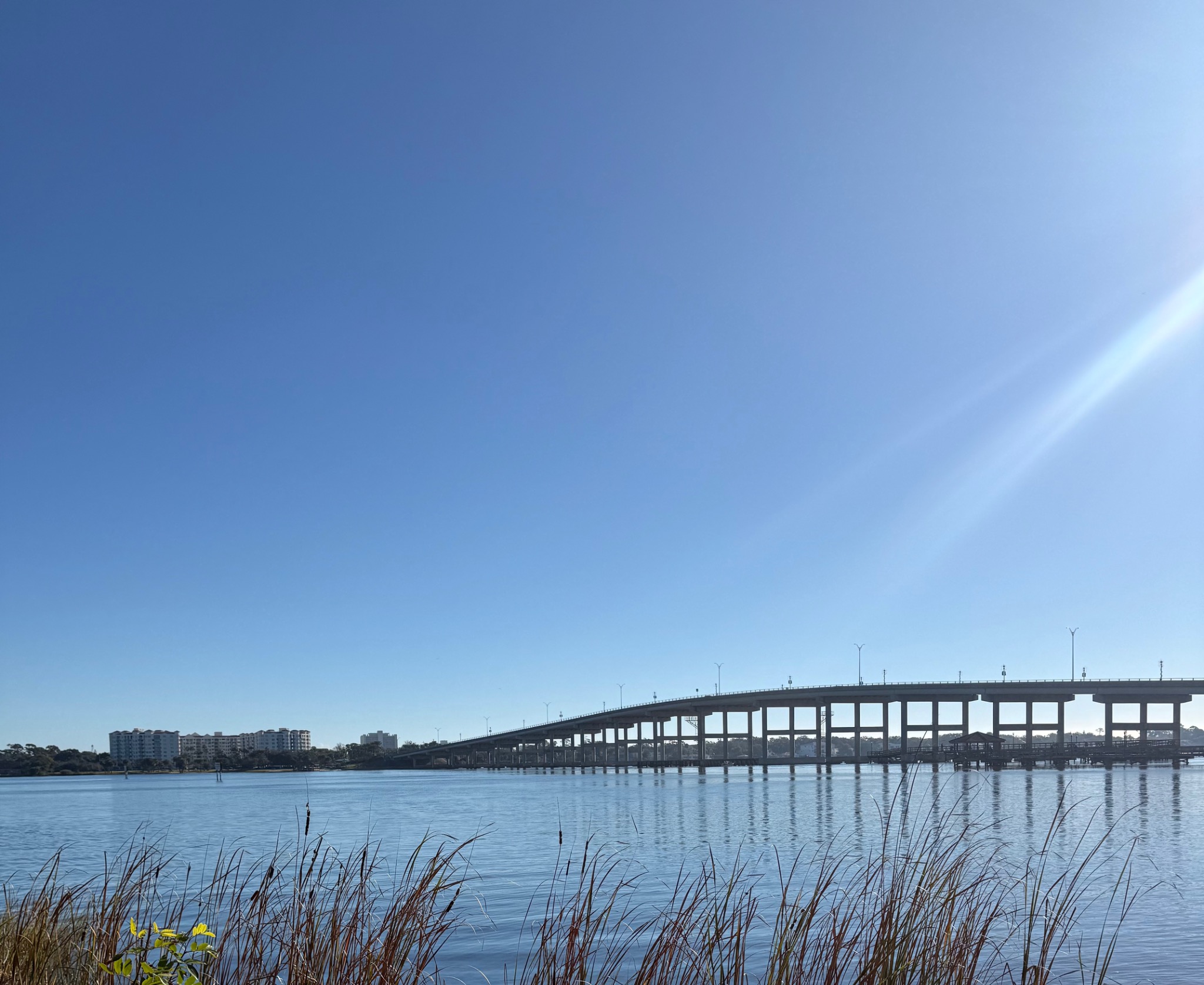
In everyday local conversation, beachside generally means the barrier-island area between the Halifax River and the Atlantic Ocean. Mainland generally means neighborhoods west of the Halifax River. Granada Boulevard crosses the river on the Granada Bridge, a key connection between the two sides of Ormond Beach.
Be aware that the northern peninsula also includes Ormond-by-the-Sea, an unincorporated community outside Ormond Beach city limits. This article compares the lifestyles of the two sides of the river; for the jurisdiction and geography distinction, see Ormond Beach vs. Ormond-by-the-Sea.
Why buyers choose beachside Ormond Beach
- Beach proximity: depending on the address, you may be able to walk, bike or take a short drive to a public beach access point.
- Coastal atmosphere: beachside streets include a mix of cottages, established houses, condos and larger waterfront properties, often with a distinctive older-Florida character.
- Lifestyle tradeoff: getting west of the river for some errands or routes can mean using a bridge; check your actual commute at the times you travel.
- Property care: salt exposure and coastal weather make it particularly important to inspect metal components, windows, doors, roofs and exterior maintenance.
Why buyers choose mainland Ormond Beach
- Different housing choices: neighborhoods west of the river offer a mix of older established homes, properties with pools, larger lots and newer planned communities.
- Daily convenience: depending on your location, groceries, schools, medical offices, major roads and trips toward I-95 may involve fewer bridge crossings.
- Space and layout: some buyers prioritize driveway parking, garages, lot size or neighborhood amenities over the shortest possible trip to the ocean.
- Coastal access still exists: mainland homes may remain a short drive from the beach, though specific travel time depends on traffic and address.
Keep in mind that mainland areas vary substantially—there is no single “mainland home type.” The exact street, subdivision and site conditions are more useful than generalizing about an entire half of town.
How do the costs compare?
There is no reliable rule that all mainland homes are cheaper or all beachside homes cost more to insure. Purchase price, property taxes, insurance and upkeep depend on the particular house, its condition and its location. A citywide median is not a beachside-versus-mainland pricing model.
| What to compare | Beachside | Mainland |
|---|---|---|
| Beach access | Potentially walkable or bikeable, address-dependent | Usually a drive or bridge crossing |
| Home options | Coastal cottages, established homes, condos, waterfront properties | Established houses, planned communities, pools and varied lot sizes |
| Travel | Bridge may be part of westbound routine | Often more direct to inland errands and I-95 |
| Flood risk | Check FEMA maps and elevation for the specific property | Check FEMA maps and drainage for the specific property |
| Insurance / upkeep | Property-specific quotes; investigate salt exposure and wind features | Property-specific quotes; inspect roof and major systems |
Five property checks before choosing either side
- Check the actual flood zone: use the City floodplain resource and FEMA Map Service Center. A Zone X designation is not a guarantee against flooding.
- Get insurance estimates early: request property-specific homeowners and flood insurance quotes. Standard homeowners policies generally exclude flooding.
- Drive your routine: visit at the time you'd actually travel to work, appointments, stores or the beach; bridge traffic varies.
- Review age, permits and maintenance: inspect roofs, windows, doors, garage doors, HVAC and visible corrosion or drainage issues. Ask about wind mitigation and any needed four-point report.
- Confirm restrictions and costs: evaluate HOA or condo rules, rental limitations, estimated post-purchase property taxes, and special assessments where relevant.
Volusia County advises that flood risk exists across the county—not only by the ocean. Use the county's flood-risk guidance and speak with an insurance professional before finalizing a budget.
So which side is right for you?
Being close to the ocean is part of your daily routine, you like coastal character, and you are comfortable weighing bridge routes and coastal property maintenance.
You prioritize a particular garage or lot layout, inland errands or neighborhood amenities, while still being able to drive to the beach.
There are good choices on both sides of the river. I recommend starting with your must-haves and monthly budget, then comparing individual homes rather than trying to declare one side “better.” Explore available homes or tell me what you're looking for.
Frequently asked questions
Is Ormond-by-the-Sea the same as Ormond Beach beachside?
Not exactly. Ormond-by-the-Sea is an unincorporated area north of the city on the peninsula. Listings may share an Ormond Beach mailing address while being in different jurisdictions, so check the parcel and local government rules.
Does a mainland home mean I won't need flood insurance?
No. Flooding can happen inland too, and lenders may require flood insurance for properties in certain FEMA-designated high-risk zones. Consider optional coverage even where not required.
Is beachside always more expensive than mainland?
No. Both sides have a wide range of prices and home types. Compare similar properties rather than relying on location alone.
How do I find out which area has the right home?
Identify your budget, preferred property size, garage or parking needs and how often you want to be at the beach. Then visit a few neighborhoods at different times and compare available listings.
Explore next: Ormond Beach vs. Ormond-by-the-Sea · Ormond Beach buyer guide · All real estate resources.

Ormond Beach real estate agent · U.S. Air Force veteran
Additional resources
- Realtor.com — Ormond Beach Market Trends
- Ormond Beach — Floodplain Management
- Volusia County — Flood Zones and Risk
Updated October 28, 2026. General real estate information only; not an appraisal, guarantee of value, insurance quote, tax, legal or lending advice. Confirm property-specific requirements with qualified professionals. Equal Housing Opportunity.